
Case Study: When "42 Micron" Wasn't Really 42 Micron — Catching Thickness Shortfalls Across Tape and Film
· Case Studies
Names and identifying details in this case study have been withheld at the customers' request — both situations are representative of what our incoming-material checks catch on a regular basis, across different product lines.
Case One: Stretch Film Tearing Mid-Pallet
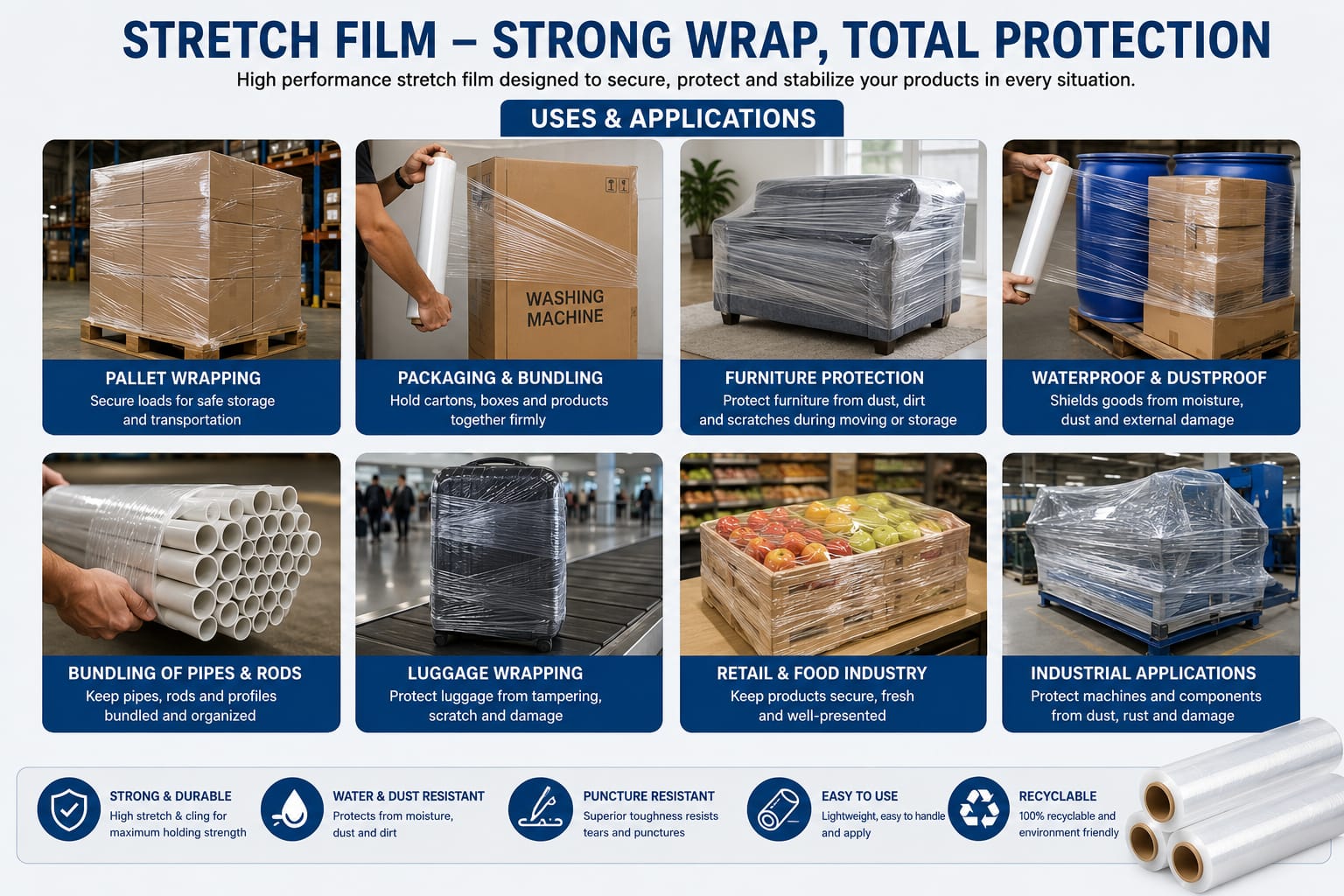
A packaging buyer supplying an e-commerce fulfillment operation was ordering machine stretch film specified at 30 micron — a standard, widely-available gauge for pallet wrapping. Pallets were tearing partway through wrapping, forcing operators to double-wrap or restart — slowing dispatch and wasting film.
When the film was tested on a digital thickness gauge at Skyline, actual thickness came out closer to 23-24 micron — a meaningful shortfall from what was ordered and paid for, though still within a gauge that's normally produced (unlike unrealistically thin claims, which is itself a red flag if a supplier ever quotes a gauge that doesn't practically exist). At the thinner actual gauge, the film didn't have the tensile strength the operation was relying on, which is exactly what was showing up as mid-wrap tearing.
Case Two: Cartons Reopening in Transit
Separately, a buyer ordering BOPP tape specified at 42 micron for sealing export cartons was seeing an unusual number of cartons arrive with the seal partially lifted. A caliper check on the incoming rolls measured actual thickness at 34-36 micron — a meaningful gap from what was ordered and paid for. Thinner tape carries less adhesive and less tensile strength, so under normal handling and stacking pressure during transit, the seal was giving way.
Why This Happens
- Thinner film or tape costs less to produce, so unverified suppliers can quote a lower price while quietly running under the specified gauge
- Without in-house testing equipment, most buyers have no practical way to catch this until a failure happens downstream — torn wrap, reopened cartons, damaged goods
- The cost of the failure (damaged stock, redone packaging, delivery delays) is usually far higher than whatever was saved on the material price
What Changed
Both buyers switched to Skyline's gauge-certified stock — stretch film and BOPP tape tested on calibrated equipment per batch, with the actual measured thickness available on request rather than just a printed claim. Wrap tearing and seal failures dropped to near zero for both, and both have stayed on as repeat monthly orders since.
How to Check This Yourself
If you don't have a thickness gauge on site, ask your supplier to test a sample in front of you, or send a sample to a third party for verification before a large order. For stretch film specifically, also check declared "GSM" or gauge against actual roll weight and length — a mismatch there is often the same shortfall showing up from a different angle.
Send us a sample of what you're currently using — tape, stretch film, or PP strap — and we'll gauge-test it and tell you honestly how it compares.
Phone: 98310 78503 | Website: www.skyline4r.com